

 “Price is what you pay; value is what you receive.”Home fashion has become a rapidly shifting target, with statements ranging from traditional to modern to contemporary; not just from client to client and from home to home, but even within the same home! Staying current with these shifting home fashion trends is a challenge that all of us must face but, with the right approach, can be dealt with effectively.However, marketing and selling your interior design services requires far more than knowledge of current trends in style, colors, textures, and/or finishes.
 When it comes to selling your products and services, resistance is rarely about the price paid and nearly always about the value received. At the very least, it’s about the perceived value of those products and services. At its core, value is about how well you can solve your client’s problem; what we today refer to as their “pain points”, which is where the above quote makes the most sense.What does your client value?Value-Based Selling is the process of understanding and reinforcing the reasons why your offer is valuable to the purchaser. It's about listening, rather than talking. By asking your potential what they want and need, you:
- Increase the prospect’s confidence in you and your understanding of the situation.
- Discover information that will help you emphasize how valuable your offer is, and how to frame your price appropriately.
- Discover how, why, and how much your offer will benefit the customer, and you’ll be able to connect more effectively, and ultimately land more sales.
Always sell based on the value your design solutions will provides, instead of the cost.For example, the choice of real wood over veneer; hand-crafted workmanship instead of mass produced selections; custom solutions rather than off-the-rack choices; these are all the types of detail that most interior design clients are searching for – yet, in spite of their desire for originality and elegance – you may still find clients who would like to “save a bit here and a bit there” despite your suggestions.To overcome such an inclination from a client, you must focus on the value of the solutions you present: the timeless statement that selected pieces will offer them; the longevity of service received from artisanal craftsmanship; the subtle, time-consuming decorative details included in hand-sewn thin welts, top-stitched seams, and pleating that provide them with the same type of detail and excellence they seek in the couture that appeals to them in their clothing choices, and that must inform their home design choices, as well.Have you learned to focus on value over price in your sales presentations to potential clients? How has this helped you to grow your interior design business?

 In her recent column,
 “If you are looking for inspiration for a sophisticated kitchen design and decor, then this array from
 Your library is where?As described at the
  “Noted novelist, Michael Cunningham, is proud of his library. It just so happens that his library is located in his bathroom. Perhaps this is a smart choice for him, but it’s the kind of thing that I could never do in my home. Keeping books so close to water just doesn’t sit right with me for some reason. But more power to him.”
 In all of the images above, originality and functionality have been combined to create truly unusual spaces that make statements about the homeowner and designer alike. It’s just these kinds of choices that will enable you to satisfy the client who says, “I know what I want but I can’t seem to express it”.
  What is your vision for the future of your interior design business?Obviously, one of your goals as an interior designer is to help your clients realize their vision of any space they wish to repurpose, reimagine or create from the ground up. In fact, helping them to do so may be your most important function as their interior designer. As a business owner however, that same talent may be just as important – creating and realizing your own vision of your design business.Creating a vision for your business involves generating a vivid mental image of what you want your business to be at some point in the future, based on your values, goals, and aspirations. Having a strong vision of your hoped-for future will give your business a clear focus, and can stop you heading in the wrong direction.

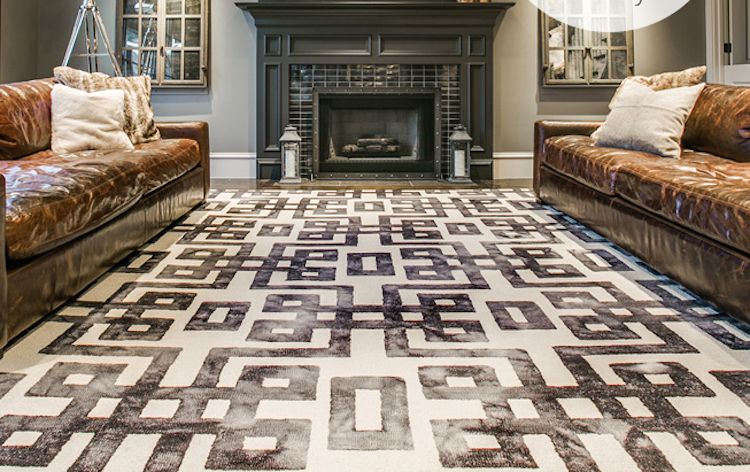 For example, while many of the homes you see will follow the recent trend of using an open floor plan, there are some who argue that room definition will be a hot trend for 2016. For clients who do not wish to have their homes rebuilt around them, choosing alternate floor coverings throughout will help to redefine each room.Further, you can offer your clients a more diverse flavor to their home by focusing on international designs in the carpeting and rugs you choose to present.